
The tooth is not the problem. The infection inside it is.
Inside every tooth is a canal — a small space containing nerves and tissue. When that tissue becomes infected or inflamed, it causes the pain that brought you here. A root canal removes the infected tissue, cleans the canal thoroughly, and seals the tooth. The tooth stays. The infection goes.
The procedure has a difficult reputation that does not reflect modern endodontics. What most people fear is the pain they arrived with. The treatment, done well, resolves that pain — it does not add to it.
"'You need a root canal' is an unwelcome statement that usually evokes, if not fear exactly, at least high anxiety. Dr. Priya O'Callaghan has completely eliminated that — to the point where I will almost surely look forward to any future root canal work."
"Post-procedure discomfort is almost always proportional to how long the infection was left untreated — not to the treatment itself. The sooner you call, the easier your recovery."
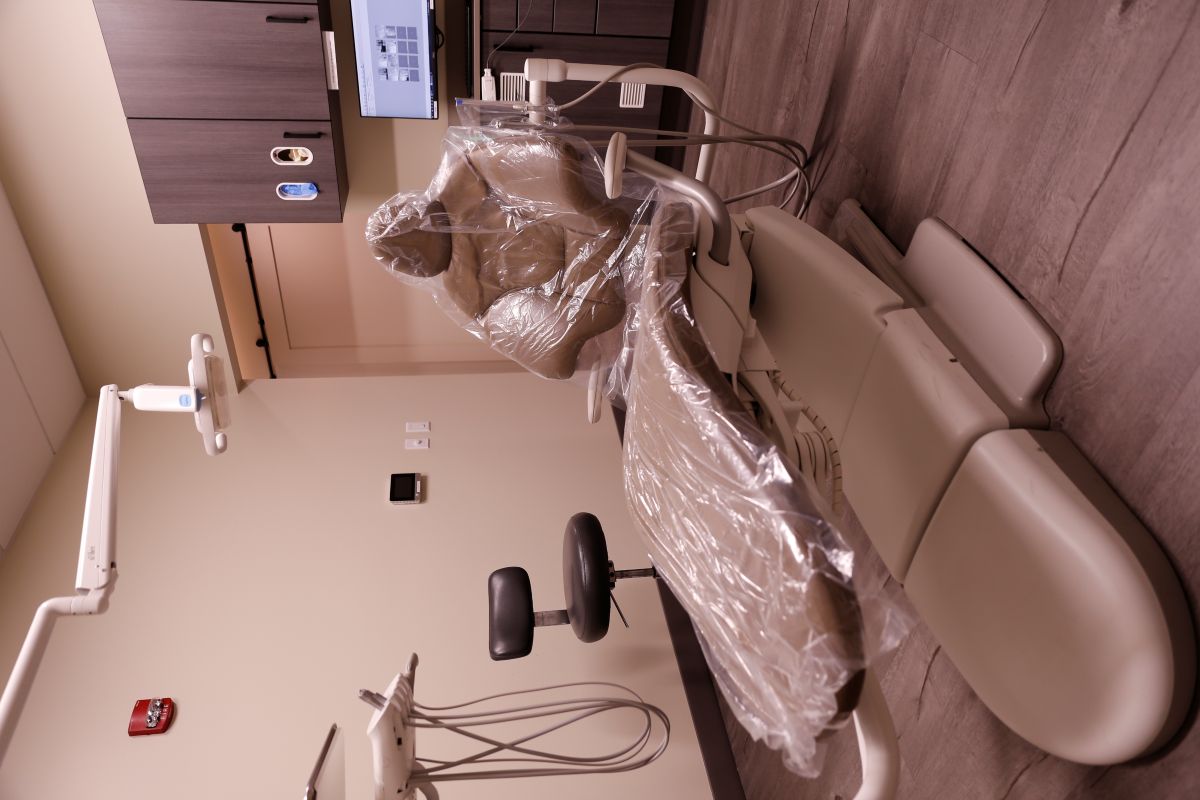
Step by step — so nothing is a surprise.
Over 92% of root canal treatments at Endospecialists are completed in a single visit. Here is what that visit looks like.
- 01 Imaging and diagnosis Your doctor takes a CBCT (Cone Beam Computed Tomography) scan — a full 3D image of the tooth and surrounding bone. This tells us exactly what is happening before we begin, so there are no surprises mid-procedure.
- 02 Anaesthetic The area is numbed completely. We do not begin until you cannot feel anything. Nitrous oxide is also available for patients who need additional relaxation — just let us know. Most people are surprised by how little they feel from this point forward.
- 03 GentleWave treatment Using multisonic fluid dynamics, GentleWave cleans the entire root canal system — including the parts traditional instruments physically cannot reach. This is the step that makes the difference.
- 04 Sealing the tooth The canal is sealed with a biocompatible material. In most cases, this happens in the same appointment. You leave with the tooth treated and protected.
- 05 Return to your dentist We send a full clinical report to your referring dentist. They will place a crown to restore the tooth to full function. We treat the root; they complete the restoration.
Not offered as an upgrade. Used on every patient.
Traditional root canal instruments clean mechanically — files that physically shape the canal. They cannot reach every recess of the root canal system. GentleWave uses multisonic fluid dynamics to clean the entire canal, including areas no instrument can access. The result is a cleaner, more complete treatment.
Endospecialists has used GentleWave as its standard of care since 2019 — at all four East Bay locations. Every patient who comes to us for root canal therapy receives GentleWave. There is no standard version and a premium version. There is one version — the best one.
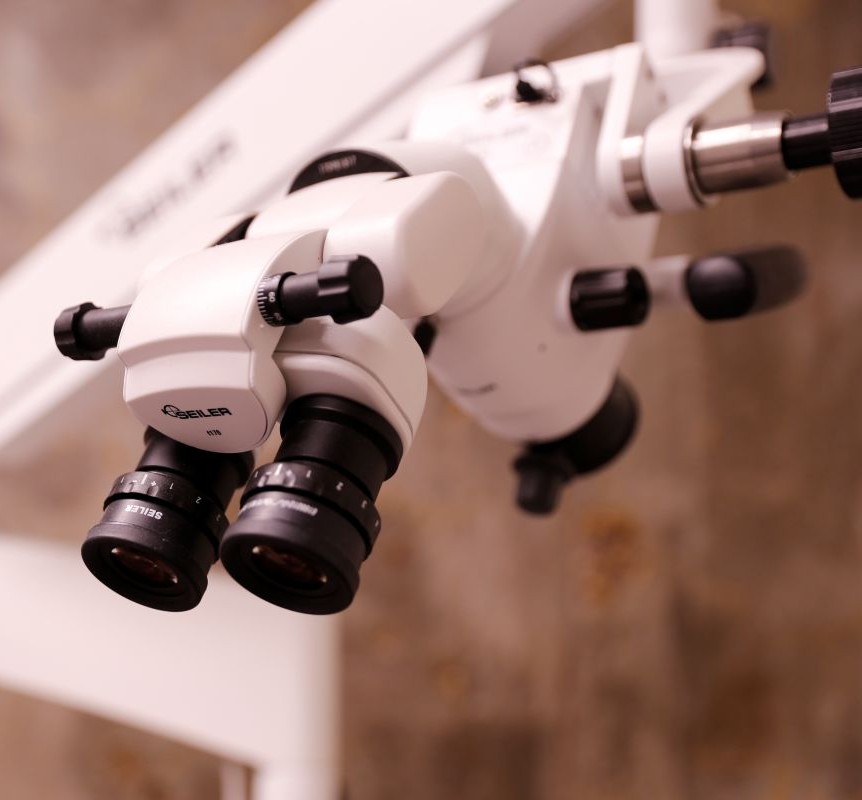
What recovery actually looks like.
Most people return to normal activity the same day or the next morning. Some tenderness around the treated tooth is normal for a few days — over-the-counter pain relief is typically all that is needed. 96.6% of patients treated with GentleWave report mild to no pain after the procedure.
We will send a full clinical report to your dentist. They will schedule you for a crown, which restores the tooth to full function. Until then, avoid chewing hard foods on the treated side.
If you have any concerns after your appointment, call us. You will speak to a member of our clinical team — not a call centre.
Root canal therapy vs. tooth extraction. Saving your natural tooth is almost always the better long-term decision — clinically and financially. Replacing an extracted tooth with an implant or bridge typically costs considerably more than treating it. The goal, as always, is to save your tooth.
What people ask before they call.
- Will a root canal hurt?
- 96.6% of patients treated with GentleWave report mild to no pain after their procedure — Sonendo, data on file. The tooth is fully numbed before any treatment begins. The discomfort most people associate with root canals is the infection itself, not the treatment. The sooner the infection is addressed, the easier recovery tends to be.
- How long does the procedure take?
- Most root canal treatments at Endospecialists are completed in a single visit of 60 to 90 minutes. Over 92% of GentleWave cases are finished in one appointment.
- How long is recovery?
- Most people return to normal activity the same day or the following day — and can drive themselves home after the appointment. Some mild tenderness in the area is normal for a few days. Over-the-counter pain relief is typically sufficient.
- Do I need a referral?
- No. You are welcome to contact us directly at any of our four East Bay locations. Many people who come to us were referred by their dentist, but a referral is not required.
- Is root canal therapy covered by insurance?
- Root canal therapy is covered under most dental plans. GentleWave carries a premium that may not be fully covered. We confirm your coverage before treatment begins — no surprises. HSA and FSA funds are accepted.
- Is a root canal less expensive than pulling the tooth?
- In most cases, yes — significantly. Tooth extraction may seem like the simpler option, but replacing a missing tooth with an implant or bridge typically costs considerably more than saving it with root canal therapy. Keeping your natural tooth is almost always the better long-term decision, both clinically and financially.
- What causes a root canal infection?
- Root canal infections are most commonly caused by deep decay, a cracked or chipped tooth, trauma to the tooth, or repeated dental procedures on the same tooth. When bacteria reach the pulp — the soft tissue inside the tooth — it becomes infected or inflamed. This is what causes the pain that brings most patients to us.
- Why see an endodontist rather than my general dentist?
- Your dentist is your best advocate for your overall dental health. When they refer you to an endodontist, it's for the same reason a general practitioner refers to a cardiologist. We are part of your overall care team, with dedicated training, daily focus, and equipment built for one specific procedure. Your dentist and our team work together — they refer you to us, we treat the root, and you go back to them for your crown.
In pain? Same-day access across all four locations.
No referral required. Call the location nearest to you.
See emergency access