
A tooth knocked out of the mouth — step by step.
Every minute the tooth is outside the mouth and dry reduces the chance of saving it. These steps take less than two minutes to follow.
- 01 Pick it up by the crown — not the root The crown is the white part you can see. The root is everything below the gumline. Touching the root damages the cells needed for the tooth to reattach. Handle it carefully by the top only.
- 02 Rinse gently if it's dirty Hold it under clean water for no more than 10 seconds. Do not scrub, dry, or wrap it in tissue. Do not use soap.
- 03 Put it back in the socket if you can This is the best option. Line up the tooth the right way, push it gently back into place, and bite down on a clean cloth to hold it. It will feel strange — that is fine.
- 04 If you can't replant it, keep it moist Place the tooth in milk, or tuck it between your gum and inner cheek. Plain water is a last resort only — it damages root cells faster than milk or saliva. Do not let it dry out.
- 05 Call us immediately We see trauma cases the same day at all four locations. The sooner you call, the more we can do. If you are heading in right now, let us know on the phone — we will be ready.
Not every dental injury looks the same — or has the same timeline.
Some injuries need immediate treatment. Others need assessment within the day. A few cause no pain at all — but still need evaluation. Here are the most common types.
The most time-critical injury in dentistry. A tooth that has been completely displaced from its socket can often be reimplanted — but the window is narrow. Treatment within 30 minutes of the injury gives the best chance. Every additional minute the tooth is outside the mouth and dry reduces the odds.
A tooth that has been pushed sideways, driven deeper into the socket, or partially pulled out of position. The tooth is still present but no longer in its correct location. This needs same-day assessment. Depending on how the tooth has moved and whether the pulp is affected, treatment may involve repositioning, splinting, and monitoring — or root canal treatment.
How urgent this is depends entirely on how deep the fracture goes. A small chip off the corner is not an emergency. A fracture that exposes the pink tissue inside the tooth — the pulp — is. If you can see pink or red inside the broken tooth, or if you have significant pain or sensitivity, call us today.
A break inside the root itself, below the gumline. These often cause no immediate pain and can go undetected for months. The tooth may feel slightly loose or tender to touch. Standard X-rays frequently miss root fractures — CBCT imaging is needed to assess the extent of the damage and whether the tooth can be saved.
Different rules apply for children — and the most important one surprises most parents.
If a baby tooth is knocked out, do not try to replant it. Placing a primary tooth back into the socket can damage the permanent tooth developing directly beneath it. Call us — we will walk you through what to do.
If a child's permanent tooth is knocked out, the protocol is the same as for adults — handle by the crown, keep it moist, get here within 30 minutes.
Children's developing permanent teeth have an advantage adults do not: the stem cells in an immature root can sometimes be stimulated to continue growing and heal the pulp on their own. In these cases, root canal treatment may not be needed at all — or may be deferred to allow natural healing first. We assess each case individually.
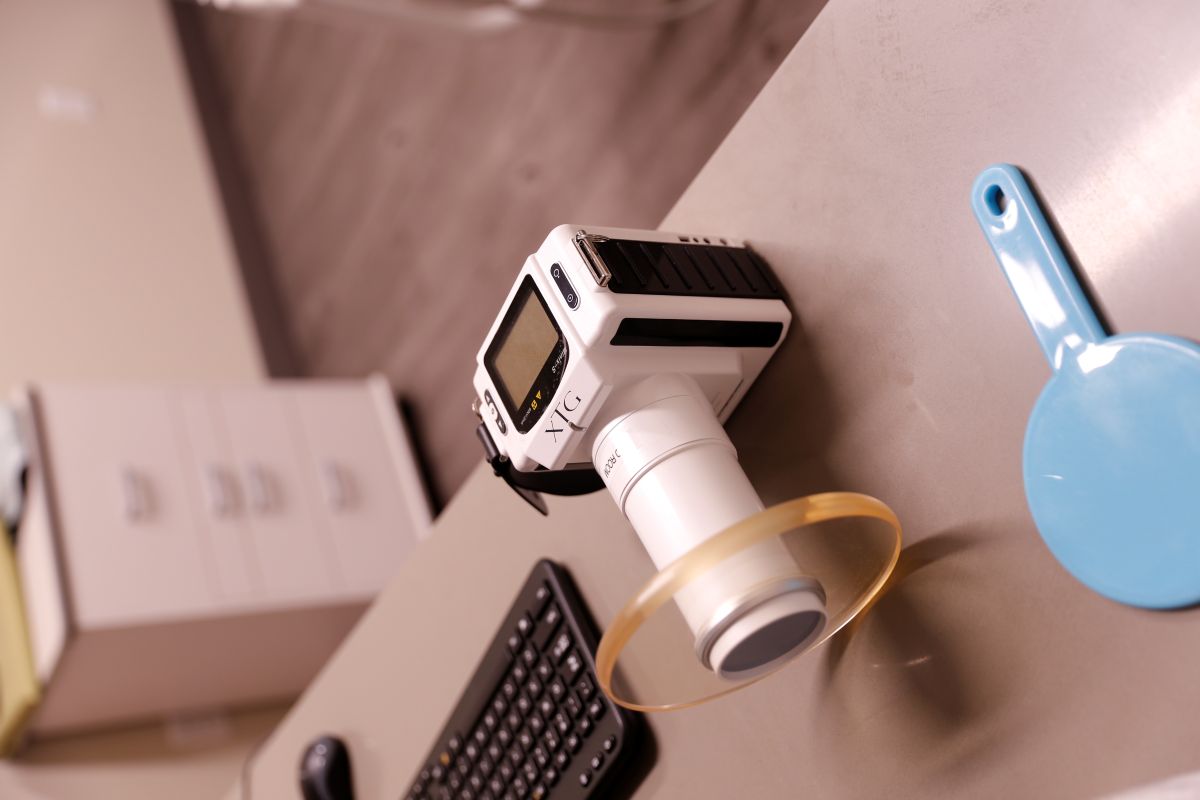
We see trauma cases the same day. Here is what happens when you arrive.
The first thing we do is image the tooth and the surrounding bone — often with CBCT to get a complete three-dimensional picture of the injury. Standard X-rays miss root fractures and subtle displacement that changes the treatment plan.
From there, treatment depends on what we find: repositioning and splinting, root canal treatment using GentleWave, monitoring and medication, or in some cases a combination. We will explain every step before we begin and give you an honest picture of the prognosis.
Dental trauma requires follow-up. We schedule monitoring visits over the months after treatment to watch for root resorption — a process where the body can begin to break down the tooth's root. Caught early, it can be managed. Undetected, it can lead to tooth loss. We track it so that doesn't happen on our watch.
What patients and parents ask.
- My tooth was knocked out. Can it really be saved?
- Often yes — but the conditions matter. A tooth reimplanted within 30 minutes, kept moist the entire time it was outside the mouth, and properly handled has a strong chance of survival. A tooth that was dry for more than an hour has a much lower prognosis. We will assess the situation honestly and tell you what is realistic.
- What if I can't get there within 30 minutes?
- Come anyway. Storage conditions matter as much as time. A tooth kept in milk or held in the cheek throughout transport can remain viable longer than one left dry. Bring the tooth regardless of how much time has passed — we will assess it and give you an honest prognosis.
- My child knocked out a tooth. What should I do?
- It depends on whether it is a baby tooth or a permanent tooth. Baby teeth are not reimplanted — placing a baby tooth back in the socket can damage the permanent tooth developing beneath it. Call us and we will guide you. If it is a permanent tooth, follow the same steps as for an adult — time and moisture are critical.
- The injury doesn't hurt much. Do I still need to come in?
- Yes. Root fractures and luxated teeth frequently cause minimal pain immediately after the injury. The nerve may be in shock. Problems that seem minor can become serious within days. Any impact injury to a tooth should be assessed — particularly if the tooth feels even slightly loose, tender, or different when you bite.
- How long will I need follow-up care?
- Traumatic dental injuries require monitoring for up to five years after treatment. The main concern is root resorption — a process where the body gradually breaks down the tooth's root structure. Regular follow-up visits allow us to detect this early and respond before the tooth is lost.
- Is treatment for a dental injury covered by insurance?
- Coverage depends on your plan. Dental injuries are sometimes covered under dental insurance, and in some cases under medical insurance if the injury was accidental. We confirm your coverage before treatment begins. If you are coming in as an emergency, call ahead and we will work through the insurance question with you.
If you're dealing with a dental injury right now, call us.
Same-day access · Four East Bay locations · No referral required